
The team goes to Washington DC!
Oct. 13, 2026
Our search for better pollen forecasts has taken us a little further than usual!
We're always looking for ways to make the service more useful, whether that's improving the forecasts you rely on, developing new features or finding better ways to help you understand how pollen might affect you.
Recently, that work took us all the way to Washington DC!
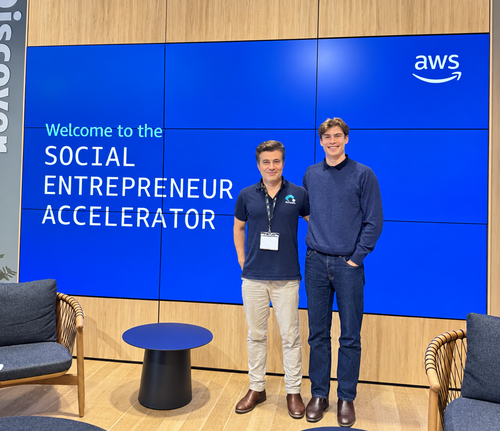
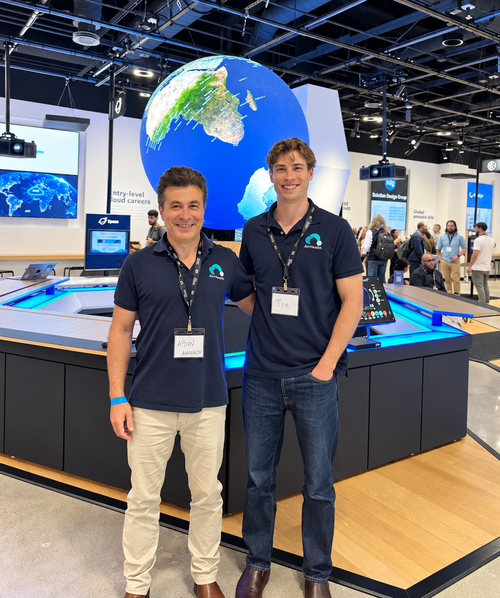
The AirHealth team was invited to participate in the Amazon Web Services (AWS) Social Entrepreneur Accelerator. We were one of just 49 organisations from around the world, and one of only two from Australia, selected to take part.
It was a wonderful opportunity to learn, share ideas and explore new technologies that could help us improve our services.
So, what's AWS?
Amazon Web Services provides the computing power behind many of the apps and websites you use every day, including Melbourne Pollen.
AWS also runs the Social Entrepreneur Accelerator, a program supporting organisations that use technology to make a positive difference in people's lives. It brings together teams from around the world, providing training, expert support and access to emerging technologies, including artificial intelligence (AI).
In Washington, we met some remarkable people doing very different things, from Chimple, which is helping children in India learn to read, to US Hunger, which is tackling food insecurity across the United States.
While our work is quite different, we share a common goal: using technology to solve problems that matter to people.
What does this mean for Our Service?
One of the most exciting parts of the program was exploring how AI could help us improve the information and services we provide.
There's an enormous amount of environmental data behind your daily pollen forecast. We're exploring how new technologies could help us make better use of that information, improve our forecasting systems and develop new features more quickly.
We're particularly interested in making pollen information more personal.
If you have hay fever, you'll know that two people can experience the same pollen conditions very differently. You might be struggling with symptoms on a moderate pollen day while someone else feels perfectly fine.
What if we could combine pollen forecasts with your own symptom history to help you better understand which conditions are most likely to affect you?
That's one of the directions we're working towards: moving beyond telling you how much pollen is expected in the air to helping you understand what those conditions might mean for you.
There's still plenty of work ahead, but we're already putting ideas from the program into practice and exploring what they could mean for Air Quality and Pollen Forecasting in Australia.
Help us shape what's next
As we think about the future, we'd also love to hear from you.
Is there a feature you'd find useful? Something in the app that could work better? Or information you wish we provided?
You can share your ideas using the Contact Us button in the App. We read your feedback, and it helps us decide what to work on next.
You can also support us by subscribing to the app. Your subscription helps us keep delivering the daily pollen forecasts and alerts you rely on, while supporting the development of new features and improvements. If you find the service useful, please consider subscribing to help keep the service running for future pollen seasons.
Back home and looking ahead
In the meantime, grass pollen season is ramping up! Remember to check your daily forecast and turn on notifications in the app to stay informed when high pollen levels are expected.
Finally, a big thank you to AWS and the Social Entrepreneur Accelerator team for the invitation and the opportunity to learn from so many inspiring organisations.
We're proud that the work we're doing here in Australia has been recognised internationally, and we're looking forward to putting what we've learnt to good use.


© 2010- AirHealth Pty Ltd. All rights reserved.
This information is copyrighted (Terms & conditions). Apart from any use as permitted under the Copyright Act 1968, no part may be reproduced by any process without prior written permission. This includes all pollen information and forecasts.