
Pet Pollen Threat in Victoria
Nov. 9, 2026
RSPCA Victoria is calling on pet owners to protect their furry friends from allergies ahead of a predicted warm, dry spring and summer.
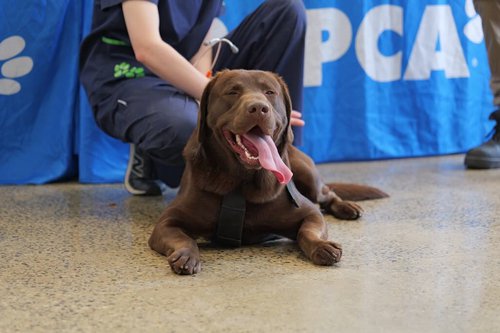
RSPCA Victoria is calling on pet owners to protect their furry friends from allergies ahead of a predicted warm, dry spring and summer.
RSPCA Victoria Director of Veterinary Services Dr Melissa Meehan said people often don’t realise their pets can have allergic reactions just like their owners.
“Your pets are breathing the same air as you,” Dr Meehan said.
“This means they’re inhaling the same pollen, dust, and spores we are, and they can also have allergic reactions making them uncomfortable.”
“Signs of an allergic reaction in your pet can include scratching or licking their fur because they’re itchy, weepy eyes, runny nose, and some cats can even have asthma symptoms too.”
“Allergic reactions can lead to behavioural problems or develop into secondary infections, and these can be potentially deadly if not treated in time.”
“Luckily, protecting our pets can be as simple as wiping their fur with a damp cloth to remove any allergens on their coat, and reducing their outdoor time on days with a high pollen count.”
Some dog breeds are more prone to allergies, including Dalmatians, Labrador Retrievers, Boxers, Pugs, Golden Retrievers, West Highland Terriers, Cairn Terriers, Lhasa Apso, and Shih Tzus.
Dr Meehan urged animal lovers to consider the potential impact of a severe allergic reaction on their pets.
“Bee and wasp stings are an under-recognised risk to pets more common this time of year,” Dr Meehan added.
“If your dog tries to eat a stinging insect, or is stung on the neck, there is a possibility of an anaphylactic reaction, or even localised swelling that can severely impact their breathing.”
“If this, occurs it’s vital you seek veterinary treatment immediately.”
Dr Edwin Lampugnani, CEO of AirHealth, operator of the Melbourne Pollen service said dry weather increased exposure for people and animals.
“Warm, dry and windy weather can help release and carry grass pollen through the air, increasing exposure for people and animals spending time outdoors,” said Dr Lampugnani.
“We encourage pet owners to download the Melbourne Pollen app and turn on notifications to stay informed about pollen levels.”
“Checking the daily forecast is a simple way to help plan walks and outdoor time with your pets.”
See pollen forecasts in your area at Melbournepollen.com.au.
Learn more about your pet’s health and allergies at rspcavic.org/pet-health.


© 2010- AirHealth Pty Ltd. All rights reserved.
This information is copyrighted (Terms & conditions). Apart from any use as permitted under the Copyright Act 1968, no part may be reproduced by any process without prior written permission. This includes all pollen information and forecasts.